
Embracing the unexpected can transform a routine trip into an unforgettable adventure. Many travelers often stick to well-trodden paths or meticulously plan itineraries, missing out on spontaneous moments that can lead to incredible experiences. Staying open to unexpected travel experiences not only enriches journeys but also fosters personal growth and cultural understanding.
Being receptive to changes in plans allows for serendipitous discoveries, whether that’s meeting a local who shares hidden gems or stumbling upon a vibrant street festival. These experiences often offer deeper connections with the destination and its people, making the travel experience more meaningful. It’s essential to cultivate a mindset that welcomes unpredictability, which can lead to new friendships and thrilling insights.
To navigate this openness effectively, travelers can adopt simple strategies that enhance their flexibility. These can include keeping an open schedule, engaging with locals for recommendations, and allowing time for unplanned activities. By incorporating these practices, they can unlock the full potential of their travels and create lasting memories.
Cultivating a Flexible Mindset for Unexpected Travel
A flexible mindset is crucial for travelers looking to embrace unexpected experiences. This mindset allows individuals to stay adaptable, respond positively to challenges, and remain curious about the world around them.
Embracing Unplanned Opportunities
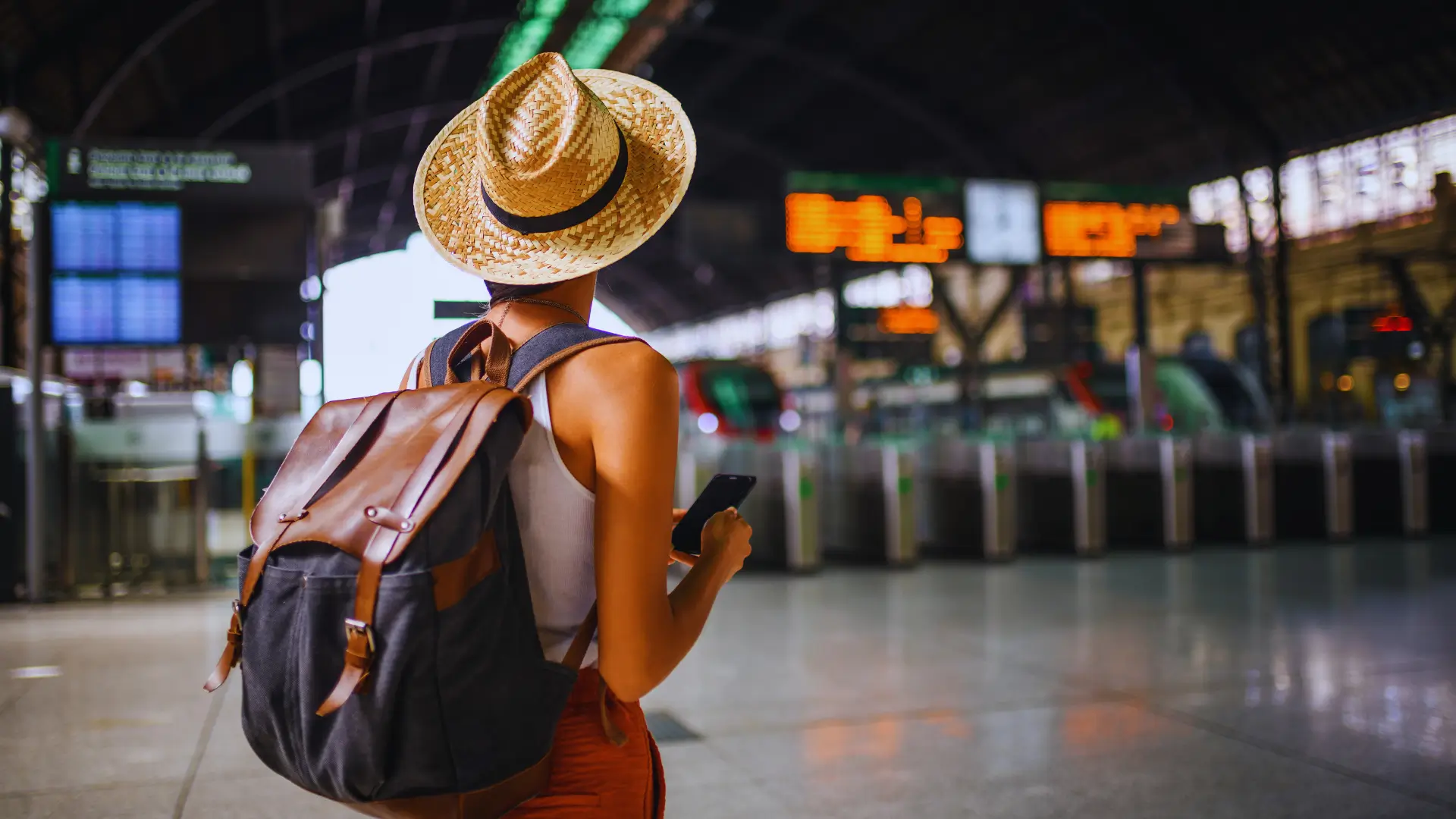
Travel often presents unanticipated situations. A missed train might lead to discovering a charming café or a local festival.
To make the most of these moments, travelers should keep an open schedule. This approach allows for spontaneity and shows that flexibility can enhance travel.
Making last-minute decisions can be rewarding. He or she may find hidden gems that structured plans could overlook.
Managing Setbacks With Positivity
Travel inevitably includes challenges, such as delays or lost luggage. Managing these setbacks with a positive attitude is essential.
Travelers should focus on what they can control. For instance, instead of stressing over a delay, they might explore the airport, turning waiting time into an adventure.
Practicing gratitude can also help. They can acknowledge the unique experiences that arise from these complications, shifting their perspective towards acceptance and learning.
Nurturing Curiosity and Openness
Curiosity drives exploration and a willingness to engage with new cultures. Maintaining an open mind can lead to enriching interactions and deeper understanding.
Travelers should actively seek local perspectives. Engaging with residents can reveal insights and create meaningful connections.
Trying local cuisine or participating in traditional activities expands one’s comfort zone. This engagement fosters a mindset ready to embrace whatever comes next. Adopting such an attitude transforms travel into a dynamic experience filled with memorable surprises.
Practical Strategies to Stay Open on the Road
Travelers can enhance their experiences by embracing flexibility, engaging with locals, and navigating through public transport. These strategies create opportunities for unique encounters and unexpected adventures.
Planning for Flexibility
To remain open on the road, travelers should prioritize flexibility in their itineraries. This approach enables spontaneous decisions that can lead to memorable experiences. Instead of booking every detail in advance, they can leave gaps in their schedules.
Using tools like travel apps can help find last-minute attractions or events. Booking accommodations with flexible cancellation policies is also beneficial. This way, if a compelling opportunity arises, they can adjust their plans without significant repercussions.
Choosing a few key destinations while allowing for unplanned stops can lead to discoveries off the beaten path. Simple flexibility can make travel more rewarding.
Engaging With Locals
Connecting with locals offers insights that guidebooks often miss. Travelers should seek opportunities to interact with residents, whether through guided tours, local markets, or community events.
Taking part in cultural activities or cooking classes can be particularly engaging. These experiences not only enrich the travel experience but often provide opportunities for deeper connections.
Using social media platforms or apps designed for connecting travelers with locals can facilitate these encounters. Dinner invitations or local tours can uncover unique insights into the destination’s culture and lifestyle. Engaging openly fosters a richer travel narrative.
Navigating With Public Transport
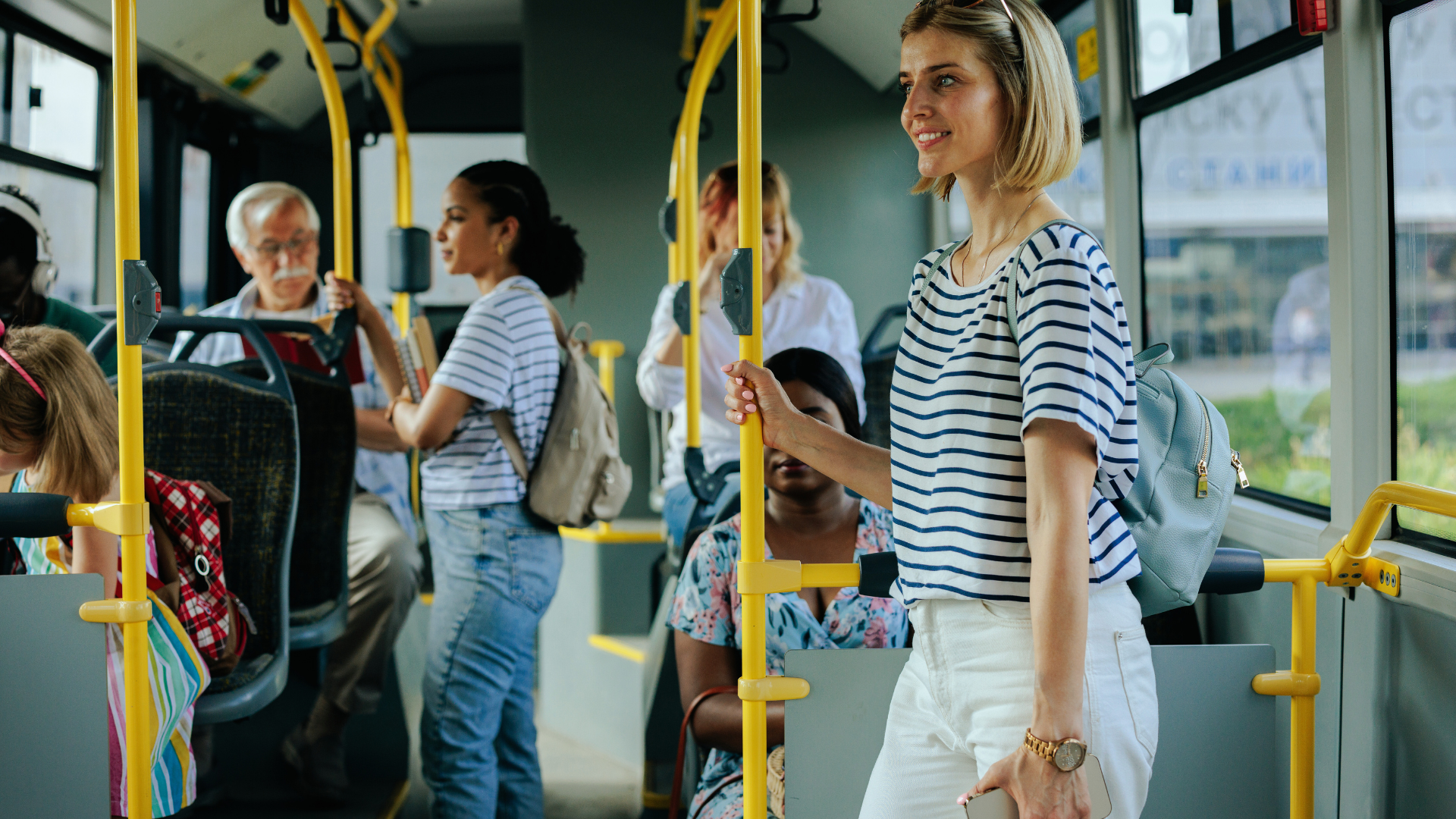
Utilizing public transportation is one of the most effective ways to experience a destination like a local. It provides a unique perspective on everyday life and often reveals hidden gems.
Travelers should research local transport options—including buses, trains, and trams—prior to their journey. Understanding routes, schedules, and fare systems can empower them to navigate confidently.
They might also consider purchasing day passes for unlimited travel. This not only saves money but also allows for spontaneous stops. Shared rides or bike rentals can offer an alternative view of the area, leading to unexpected explorations.
Adapting Your Travel Habits for Spontaneity
To embrace spontaneity in travel, individuals must adjust their habits and preferences. This can include everything from how they pack to how they approach their itineraries. Flexibility and openness will enable travelers to fully enjoy unexpected opportunities.
Packing Light for Unexpected Changes
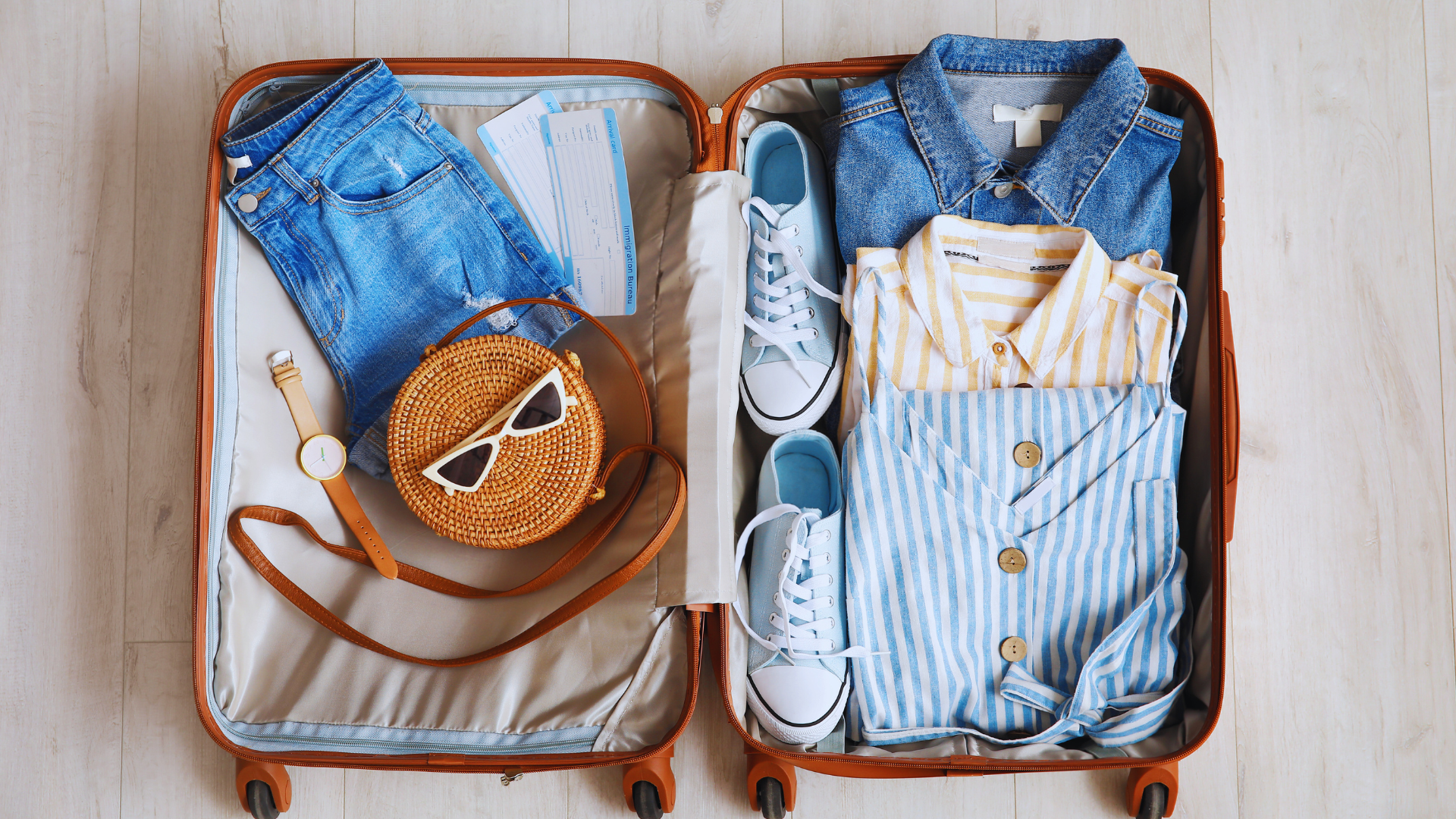
Packing light allows travelers to remain agile during their journeys. A streamlined suitcase typically contains versatile clothing that can be layered or mixed and matched. Key items may include:
- Two to three neutral tops: These can easily pair with different bottoms.
- A lightweight jacket: Ideal for varying weather conditions.
- Essential toiletries: Travel-sized items save space and weight.
By limiting luggage, travelers can move quickly and spontaneously without being encumbered by excess baggage. Additionally, packing cubes can help organize belongings efficiently, which further enhances mobility.
Having Backup Plans
Preparedness is essential for spontaneity. Having backup plans means travelers can pivot quickly if original plans fall through. This may include:
- Alternative accommodations: Knowing nearby hotels or hostels can mitigate stress if the first choice is unavailable.
- Flexible itineraries: Keeping a list of nearby attractions or activities allows for easy adjustments to the day’s agenda.
When plans change, adaptability ensures that the traveler still enjoys fulfilling experiences. Having these options mapped out in advance reduces anxiety and enhances enjoyment.
Embracing Slow Travel and Mindfulness
Slow travel encourages travelers to immerse themselves in their surroundings rather than rush through destinations. This approach allows them to:
- Engage with locals: Spending time in one place fosters deeper connections and insights.
- Take time to explore: Wandering aimlessly can lead to unexpected discoveries.
Practicing mindfulness during travels enhances the appreciation for unplanned moments. Travelers can enjoy simple experiences, such as savoring local cuisine or participating in community events, allowing spontaneity to unfold naturally. Embracing these habits encourages a more enriching travel experience.
Turning Surprises Into Memorable Experiences
Embracing the unexpected during travel can lead to some of the most enriching moments. Knowing how to document these surprises, prioritize well-being, and reshape challenges can transform a simple trip into lasting memories.
Documenting Spontaneous Moments
Capturing spontaneous moments adds depth to travel experiences. Photographs, videos, and written journals are practical ways to document these surprises.
- Photography: Use a camera or smartphone to take candid shots of unexpected sights or people. These images serve as visual reminders of unplanned adventures.
- Journaling: Writing about experiences as they happen encourages reflection. Describing feelings, surroundings, and decisions immortalizes the moment in a personal and meaningful way.
Creating a digital scrapbook might also help organize and share these experiences with friends or family. This way, the joy of spontaneity can be revisited anytime.
Prioritizing Self-Care on the Road
Traveling can be taxing, especially when surprises arise. To fully appreciate these moments, prioritize self-care.
- Rest: Adequate sleep is crucial. Incorporate downtime into the itinerary, allowing time to recharge.
- Nutrition: Eating well sustains energy levels. Opt for meals that fuel the body, choosing local cuisine for both enjoyment and health.
- Mindfulness: Practicing mindfulness helps travelers stay present. Simple techniques such as deep breathing or meditation can enhance the enjoyment of unexpected experiences.
Caring for oneself enables individuals to approach surprises with a positive mindset, enhancing the overall travel adventure.
Transforming Challenges Into Stories
Challenges during travel often lead to memorable tales. Transforming adversity into a narrative can make experiences richer.
- Perspective: Viewing obstacles as opportunities fosters resilience. An unexpected delay can become a chance to explore a new area or meet new people.
- Creativity: Encourage creativity in problem-solving. When faced with a challenge, brainstorming solutions can lead to unexpected outcomes, often making the experience more enjoyable.
- Storytelling: Sharing these stories with others adds another layer to travel experiences. Conversations about challenges turned triumphs can inspire and entertain.
By reframing challenges, travelers can not only cope better but also create deeper connections with their journey.





Leave A Comment