

Luxury travel transcends mere opulence and high costs; it encompasses unique experiences, personal connections, and unparalleled service. True luxury lies in the ability to immerse oneself in different cultures, savor exceptional cuisine, and enjoy tailored experiences that cater to individual preferences. This perspective shifts the focus from spending to enriching one’s life through travel.
As travelers seek authenticity, luxury becomes synonymous with bespoke experiences that create lasting memories. Whether it’s a secluded villa in a picturesque landscape or an exclusive culinary tour led by a renowned chef, these elements define what it means to indulge in luxury travel.
The ultimate goal of luxury travel is not just about lavish accommodations or first-class flights, but rather the profound impact of discovery and personal growth that comes from exploring the world. When framed this way, luxury travel invites a deeper appreciation for the journey rather than the price tag attached to it.
Redefining Luxury Travel Beyond the Price Tag
Luxury travel has shifted from mere extravagance to a deeper focus on personal growth, emotional resonance, and individual expression. This transition emphasizes experiences that resonate with travelers on a meaningful level rather than simply showcasing wealth.
Evolution from Status to Meaningful Experiences
The perception of luxury travel has transformed significantly. Once synonymous with opulence and social status, today’s luxury experiences prioritize authenticity and lasting memories.
Travelers seek adventures that reflect their unique tastes and interests. Customized itineraries, artisanal accommodations, and off-the-beaten-path destinations resonate more than expensive hotel chains. For instance, private tours led by local artisans can offer intimate insights into culture that mass tourism cannot replicate.
Emotional Connection and Personal Fulfillment
Emotional connection plays a critical role in modern luxury travel. Travelers increasingly crave immersive experiences that foster personal fulfillment.
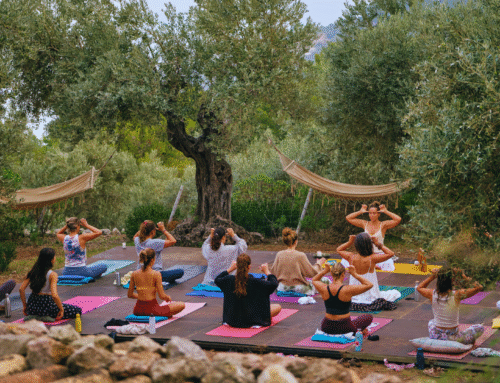
Whether it’s a yoga retreat in the mountains or volunteering in a community, these journeys promote well-being and self-discovery. They provide a sense of purpose, allowing individuals to forge connections with locals and other travelers. For many, sharing a meal with a family in a remote village is more rewarding than staying in a five-star hotel.
Luxury Versus Necessity: The Subjective Nature of Luxury
Luxury is subjective, shaped by individual preferences and values. What one person considers a luxury, another may view as unnecessary.
For some, luxury lies in serene escapes and nature immersion, while for others, it may be about exclusive access to events or personalized service. Recognizing this spectrum allows for a broader understanding of luxury travel. Individuals define their travels based on personal significance, rather than their monetary cost.
The Pillars of a Modern Luxury Travel Experience
Modern luxury travel is defined by elements that transcend price. It incorporates deeply personalized experiences, authentic cultural connections, and exceptional craftsmanship that create meaningful journeys.
Personalization and Customization
Personalization in luxury travel ensures that every aspect caters to individual preferences. Travel advisors often curate itineraries that reflect unique tastes in activities, accommodations, and dining.
For instance, a high-end resort might offer bespoke services such as private chefs or tailored excursions. This customization allows travelers to immerse themselves in experiences that resonate personally.
Additionally, many luxury brands are now using technology to enhance personalization. Apps can track preferences in real-time, offering suggestions that make every moment memorable.
Authenticity and Cultural Immersion
Luxury travel increasingly focuses on authentic experiences that allow for cultural immersion. It moves beyond typical tourist attractions to promote genuine interactions with local communities.
Travelers may engage in culinary classes with local chefs or participate in traditional festivals. These experiences foster a deeper understanding of destinations and create lasting memories.
Luxury brands recognize this shift and partner with local artisans to provide unique, behind-the-scenes experiences. This not only supports local economies but also enriches the traveler’s journey.
Craftsmanship and Attention to Detail
Craftsmanship in luxury travel is evident in the quality of service and the accommodations themselves. Detail-oriented luxury brands take pride in creating environments that exude elegance and sophistication.
From handcrafted furnishings to meticulously designed itineraries, each element contributes to an unparalleled experience. This level of attention reflects a commitment to excellence that travelers expect.
In luxury hotels, the framework of service includes well-trained staff who are attentive and knowledgeable. This heightened focus on quality ensures that every aspect of the stay is seamless and satisfying, further elevating the travel experience.
Responsible Luxury: Values, Wellness, and Sustainability
The concept of responsible luxury encompasses a commitment to sustainability, ethical tourism, and personal wellness. Luxury travel is increasingly intertwined with values that prioritize environmental care and transformative experiences.
Sustainable Practices and Ethical Tourism
Sustainable practices in luxury travel focus on minimizing environmental impact. This includes using eco-friendly materials, reducing carbon footprints, and sourcing local products. Luxury brands often implement initiatives such as:
- Carbon offset programs: Guests’ travel emissions are neutralized through investments in renewable energy or reforestation projects.
- Local partnerships: Collaborating with local artisans and businesses fosters community support and preserves culture.
Ethical tourism also prioritizes fairness and transparency, ensuring that workers in the travel industry receive fair wages and safe working conditions. Guests are encouraged to choose accommodations and experiences that align with these principles.
Wellness-Focused and Transformative Journeys
Wellness in luxury travel goes beyond amenities; it encompasses holistic experiences that promote physical and mental well-being. Many luxury brands now offer wellness-focused retreats, integrating:
- Mindfulness practices: Yoga sessions, meditation, and nature immersion enhance personal health.
- Healthy dining: Menus featuring organic and locally sourced ingredients support both guests and sustainability.
Transformative journeys allow travelers to connect with their inner selves while exploring new cultures. This deeper engagement fosters personal growth and lasting memories, impacting travelers far beyond their vacations.
The Role of Brands in Driving Positive Change
Luxury brands are crucial in promoting sustainability and ethical values. By adopting environmentally friendly practices, they set industry standards and encourage travelers to embrace these changes.
Key actions include:
- Transparency: Sharing production and sourcing processes builds trust with consumers.
- Community initiatives: Many brands invest in local projects, enhancing their impact on society.
As consumers increasingly seek responsible luxury options, brands must adapt. Their commitment to sustainability can influence traveler choices, shaping the future of luxury travel.






Leave A Comment